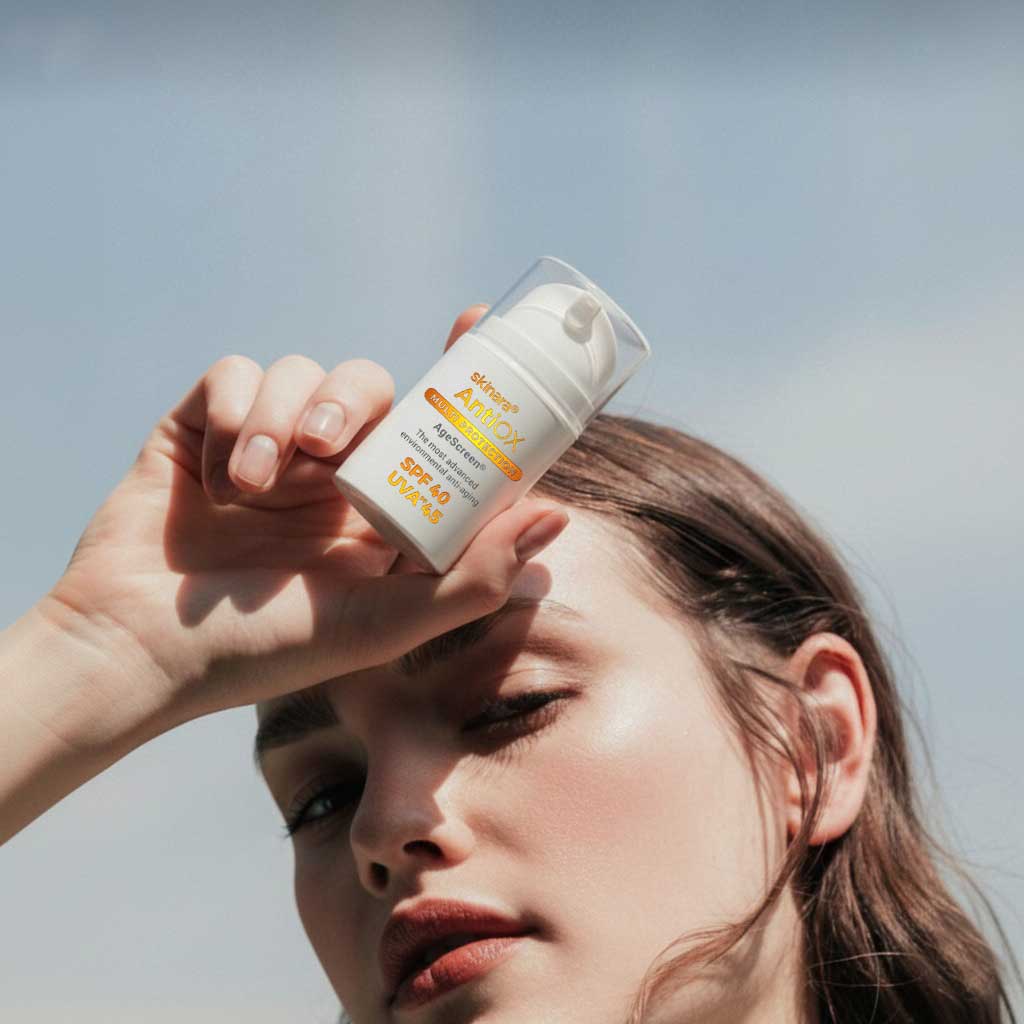
Pigmentation, whether it shows up as dark spots, melasma, or uneven patches, can be stubborn and frustrating. While many people turn to serums and treatments, dermatologists consistently stress that using the right sun cream for pigmentation is the most effective way to prevent and minimize skin discoloration and damage. In this article, we’ll explore why sunscreen is crucial, how to pick the right formula for hyperpigmentation SPF, and the best options for different skin concerns such as melasma, brown spots, and overall hyperpigmentation.
Why Sunscreen Matters for Pigmentation
Pigmentation often worsens when skin is exposed to harmful UVA and UVB rays. Unprotected exposure triggers melanin production, which can deepen existing spots and create new ones. For this reason, applying a daily sunscreen for hyperpigmentation and using a specialized sun cream for pigmentation is essential—not just in summer, but all year. According to the American Academy of Dermatology, even minimal sun exposure can cause pigment cells to flare. Skipping sunscreen, even indoors (where UVA can reach), can undo the benefits of expensive treatments.
How Sun Cream Helps With Dark Spots and Melasma
When researching products, many seek the best sunscreen for brown spots or a reliable sunscreen for hyperpigmentation. The primary goal is protection: a broad-spectrum hyperpigmentation SPF of 30+ blocks UVA (aging rays) and UVB (burning rays), reducing the risk of worsening discoloration.
Dermatologist-led innovations like AgeScreen® Biome Friendly Sunscreen which is not only a sun cream for pigmentation but also protects against environmental triggers of discoloration. AgeScreen® delivers up to three times the UVA shield compared to other sunscreens for brown spots, supported by potent antioxidants.
Choosing the Best SPF for Pigmentation Concerns
-
Hyperpigmentation SPF and Brown Spots: If your main concern is uneven patches or freckles, select a hyperpigmentation SPF packed with antioxidants. These formulas are the foundation for sunscreen for brown spots, helping prevent new damage and heal oxidative stress.
-
Melasma: For melasma, always choose high-UVA sun cream for pigmentation with a comfortable texture for daily use. Consistency with the right sunscreen for hyperpigmentation is key, and a fragrance-free formula is often preferable.
-
Dark Spots: When selecting sunscreen for brown spots, prioritize lightweight formulas that encourage daily use. Consistent application, every 2–3 hours outdoors, is vital for fading existing marks.
Extra Protection Beyond Sunscreen
While choosing sunscreen for hyperpigmentation is essential, additional strategies amplify results:
-
Be SunSmart with protective clothing, sunglasses, and hats.
-
Use antioxidant serums beneath sun cream for pigmentation for added defense.
-
Stay out of direct sunlight during peak hours (10 AM–4 PM).
Pairing sunscreen for brown spots with antioxidant-rich serums like AgeLess 24/7®antioxidant serum boosts resilience and recovery from oxidative stress. For more insight, read Harvard Health’s guide.
“The face, back of the head, eyes, and ears have some of the highest levels of UV radiation exposure, and skin cancers commonly develop on these sites. A sun-protective hat can substantially reduce this exposure.”
SunSmart
Final Thoughts
If you’re struggling with melasma, dark spots, or general uneven tone, the single most effective step is using the right sun cream for pigmentation every day. Treatments like serums and peels help, but without the consistent application of quality hyperpigmentation SPF, results will fade. The right sunscreen for hyperpigmentation repairs, prevents new pigmentation, and encourages a more even, radiant complexion.




Share:
Does Sunscreen Prevent Tanning? How SPF Protects Your Skin
Sunscreen with Antioxidants: Why it is a Must-Have