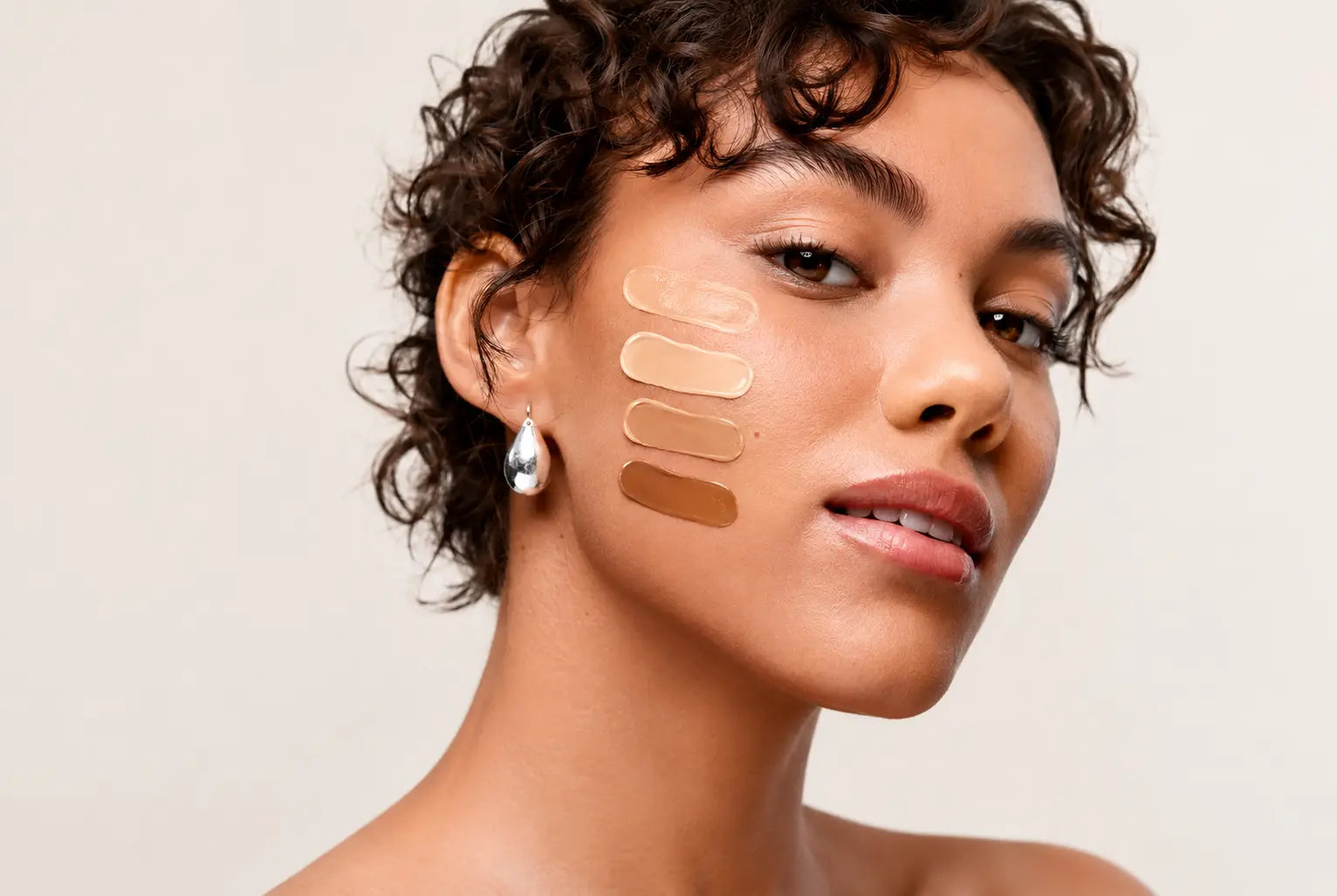
If you're dealing with uneven skin tone, hyperpigmentation, or simply want makeup-free coverage while protecting your skin from sun damage, choosing the right tinted sunscreen can feel overwhelming. The best tinted sunscreen for face protection combines ultra high UVA and UVB defense with a natural finish that evens skin tone without feeling heavy or greasy.
In this guide, you'll discover what makes tinted sunscreen effective and why UVA protection matters. You'll also learn the key criteria for choosing the best tinted sunscreen for your skin and how to apply it correctly for maximum protection.
What Is Tinted Sunscreen and Why It Matters
Tinted sunscreen combines broad spectrum sun protection with subtle, skin tone-evening coverage. Unlike traditional sunscreens that leave a white cast, tinted formulas contain pigments that blend seamlessly while delivering crucial UV defense. According to research published in the Journal of the American Academy of Dermatology, visible light protection is increasingly recognized as essential for preventing hyperpigmentation, particularly in skin of color. Tinted sunscreens offer this protection through iron oxides and mineral pigments.
Daily sun exposure contributes to 80% of visible facial aging, including wrinkles and dark spots. A quality tinted sunscreen helps prevent these concerns while simplifying morning routines by combining moisturizer, sunscreen, and a light foundation into one easy step.
“Clinical signs of aging are essentially influenced by extrinsic factors, especially sun exposure. Indeed UV exposure seems to be responsible for 80% of visible facial aging signs.”
How to Choose the Best Tinted Sunscreen
Ultra-High UVA and UVB Protection
SPF measures only UVB protection, while UVA protection requires separate ratings like UVA-PF or Boots star ratings. The Skin Cancer Foundation recommends broad spectrum sunscreens protecting against both UVA and UVB rays equally. Look for products independently tested to International Standards such as: ISO 24444, ISO 24443, and AUST/NZ Standard 2604 with SPF40 and UVAPF 45 or Boots 5-star ratings for optimal protection against premature photoaging and pigmentation.
Advanced UVA Filter Technology
Modern sunscreens incorporate photostable filters that maintain their protective properties throughout sun exposure. Photostable advanced filters offer broad spectrum protection without the drawbacks, creating lightweight formulas that feel like moisturizer rather than sunscreen.
Cosmetic Elegance and Wearability
The best tinted sunscreen for the face should feel lightweight on skin. Skinara formulations excel here, offering quick absorption, zero white cast, and compatibility with all skin tones. They layer beautifully under makeup without pilling and won't leave residue on clothing. This makes them the ideal base for a tinted formula that looks like healthy skin rather than obvious makeup.
Best Tinted Sunscreen: Skinara® AgeScreen® Natural Sunscreen Cream
Skinara Natural Sunscreen Cream delivers up to 3 times more UVA protection than typical broad spectrum sunscreens, with SPF 40 and exceptional UVA-PF 45. Independently tested to ISO 24444, ISO 24443, and AUST/NZ Standard 2604, this formula earned the prestigious Boots 5 Star Ultra High UVA rating-demonstrating that properly formulated sunscreens can achieve ultra high protection with superior cosmetic performance.
Key Benefits:
-
Ultra-high UVA protection (UVAPF 45) prevents deep skin damage, sagging, and hyperpigmentation
-
Elegant, lightweight formula that absorbs instantly without white cast or greasiness
-
Available in transparent invisible option plus 3 tinted shades for perfect matching
-
Superior texture that feels like moisturizer, encouraging consistent daily use
-
Pairs perfectly with Skinara Antioxidant Serum for ultimate anti-aging results
How to Apply Tinted Sunscreen Correctly
Step 1: Start with clean skin and apply regular skincare. For enhanced benefits, use Skinara Antioxidant Serum before sunscreen to maximize protection against free radical damage.
Step 2: Use ½ teaspoon for your face-this amount is necessary to achieve labeled SPF / UVA-PF protection. Skinara formulas spread easily, making adequate application more comfortable.
Step 3: Dot across forehead, cheeks, nose, and chin, then blend outward using gentle patting motions. The lightweight texture absorbs quickly for seamless coverage.
Step 4: Wait 10-15 minutes before applying makeup to ensure maximum protection, though modern formulas absorb faster than older versions.
Step 5: Reapply every 2 hours during sun exposure or after swimming and sweating to maintain consistent protection. Always be SunSmart
Mistakes to Avoid with Tinted Sunscreen
- Applying too little product: Using less than ½ teaspoon can cut protection in half. An SPF 40 applied thinly may only provide SPF 15-20. Skinara sunscreens make generous application easier due to their lightweight texture.
- Skipping reapplication: UV filters degrade throughout the day. Reapply every 2 hours during sun exposure for consistent protection.
- Choosing texture over protection: Some people avoid adequate sun protection due to texture concerns. Skinara sunscreens solve this problem, offering ultra high protection in elegant formulas you'll actually want to wear daily.
- Using only on sunny days: Up to 80% of UVA rays penetrate clouds. Make daily sunscreen use non-negotiable regardless of weather.
- Ignoring UVA protection: High SPF (UVB protection) doesn't guarantee UVA defense. Choose products with UVAPF 45 or Boots 5-star ratings to prevent aging and hyperpigmentation.
Frequently Asked Questions
Are sunscreens safe for daily use?
Yes. The FDA and dermatological organizations worldwide confirm that approved sunscreen UV filters are safe and effective. Modern formulations use photostable, well-researched ingredients that provide excellent protection without compromising skin health. Decades of use and extensive testing support their safety profile for daily application.
Does tinted sunscreen work as well as regular sunscreen?
Yes, when formulated correctly. The tint doesn't affect UV protection-it's simply added pigment for cosmetic benefits. Quality tinted sunscreens tested to ISO standards provide identical protection to clear formulas, with the added benefit of iron oxides blocking visible light that contributes to hyperpigmentation.
Can I use tinted sunscreen if I have sensitive skin?
Modern tinted sunscreens are formulated for all skin types, including sensitive ones. Look for fragrance-free, hypoallergenic options with newer-generation filters which are well-tolerated. If you have specific sensitivities, patch test first, but many people find quality modern formulas like Skinara gentle and non-irritating.
Does hyperpigmentation SPF help fade dark spots?
Sunscreen helps prevent further darkening and allows treatments to work effectively. High UVA protection with UVAPF 40+ is critical. Tinted SPFs' formulas with iron oxides like AgeScreen provide extra defense against visible light that triggers pigmentation, they are comfortable for daily wear and essential for preventing new spots.
Final Takeaway: Protect Your Skin with Confidence
Choosing the right tinted sunscreen transforms your skincare routine. Modern formulations combine clinical-grade protection with elegant textures that encourage daily use-the most critical factor in preventing sun damage. Prioritize ultra-high UVA protection (UVAPF 40+, Boots 5-star), independently tested products, and formulas that feel comfortable enough to wear every single day.
Ready to experience superior sun protection with effortless wearability? Explore Skinara Natural Sunscreen Cream and discover the best tinted sunscreen for face protection-delivering up to 3 times more UVA defense with lightweight, elegant coverage you'll love wearing daily.
For more skincare insights, visit the Skinara blog to stay informed about effective sun protection and healthy skin.
** In the EU, UK, Australia, New Zealand, South Africa, and many other regions where sunscreens follow the ISO/European testing framework, a broad-spectrum sunscreen must have UVA protection of at least one-third of the SPF value (e.g., ~13–17 for SPF 40–50).
With a UVA Protection Factor of 45 and SPF 40, Skinara® AgeScreen® provides up to 3 × higher UVA protection than these minimum regulatory requirements.
In the United States, the FDA currently measures broad-spectrum protection by a critical wavelength test rather than a direct UVA/UVB ratio, and is reviewing standards aimed at strengthening UVA evaluation to more closely align with international approaches.




Share:
Hyaluronic Acid Serum: The Ultimate Guide to Hydrated, Glowing Skin (2026)
Skin Barrier Repair: How to Restore, Protect & Strengthen a Damaged Skin Barrier